Slope Clearing in Salt Lake City, UT
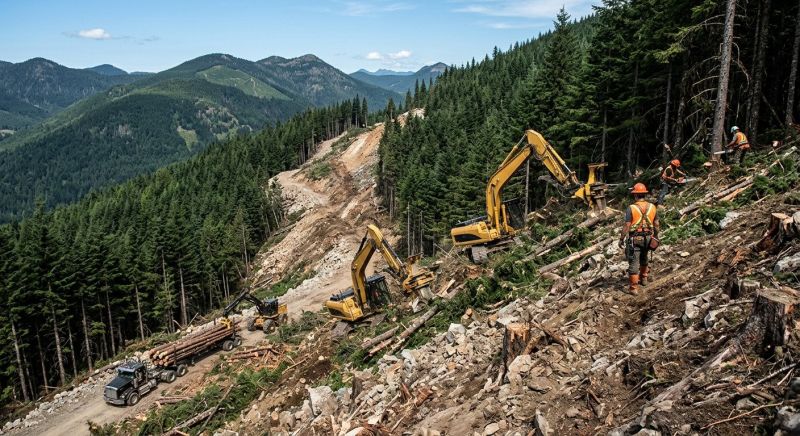
Slope clearing services involve removing excess soil, vegetation, and debris from hillside or sloped areas to improve safety, drainage, and accessibility. This work is often requested for projects such as preparing land for construction, preventing erosion, creating level areas for landscaping or recreational use, and maintaining the stability of slopes on residential properties. Homeowners typically want to understand the scope of clearing needed, the impact on existing landscaping, and any necessary precautions to ensure the stability of their land after the work is completed.
Property owners considering slope clearing should evaluate the extent of vegetation, soil conditions, and the purpose of the project to determine the appropriate level of service. It’s important to clarify whether the goal is to remove overgrowth, improve drainage, or prepare the land for future construction. Understanding the potential effects on drainage patterns, erosion control, and neighboring properties can help ensure the project meets safety and functional needs effectively.
Many property owners in Salt Lake City, UT look into Slope Clearing for repairs, replacements, upgrades, and appearance-related improvements.
Terrace And Slope Stabilization
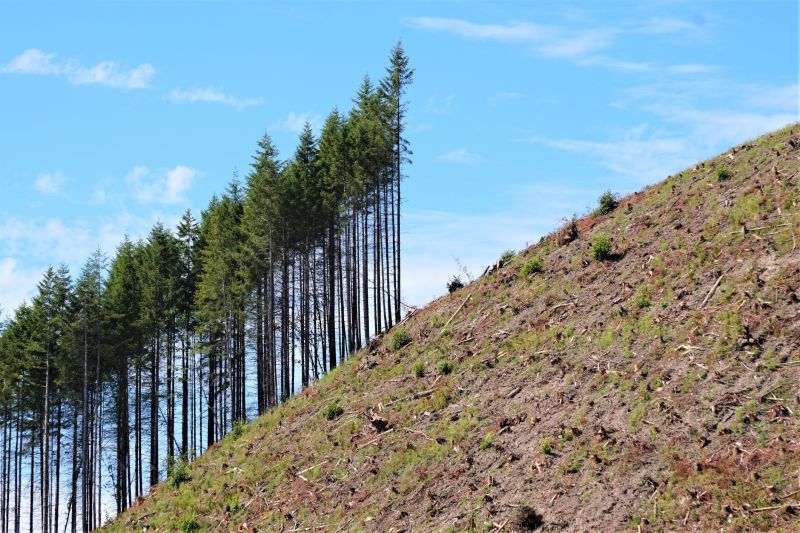
Proper slope clearing helps prevent erosion and maintains landscape stability.
Property Access And Safety
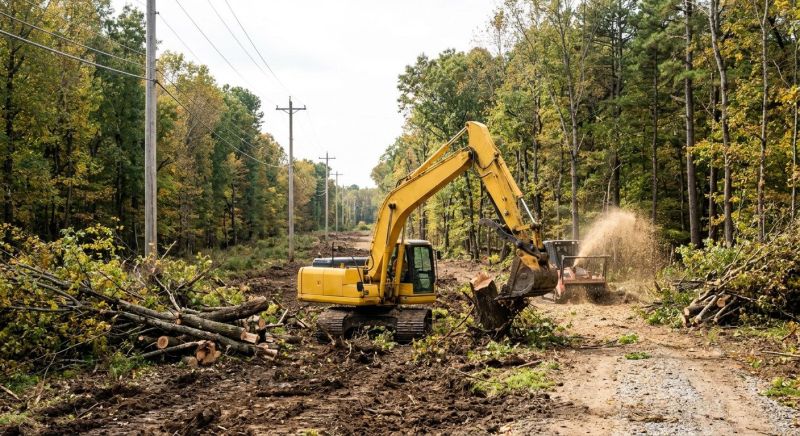
Clearing slopes improves access around homes and reduces hazards on uneven terrain.
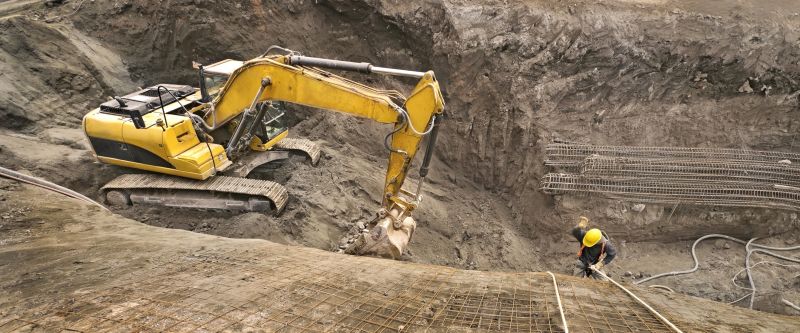
Drainage And Water Management
Effective slope clearing supports proper drainage to protect foundations and landscaping.
Slope Clearing in Salt Lake City, UT
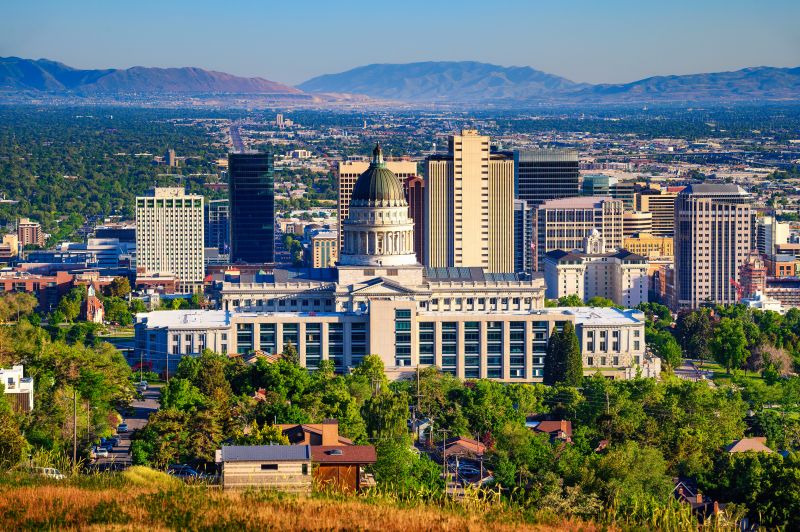
Slope clearing services involve removing excess soil, vegetation, and debris from hillside or sloped areas to improve safety, drainage, and accessibility. This work is often requested for projects such as preparing land for construction, preventing erosion, creating level areas for landscaping or recreational use, and maintaining the stability of slopes on residential properties. Homeowners typically want to understand the scope of clearing needed, the impact on existing landscaping, and any necessary precautions to ensure the stability of their land after the work is completed.
Property owners considering slope clearing should evaluate the extent of vegetation, soil conditions, and the purpose of the project to determine the appropriate level of service. It’s important to clarify whether the goal is to remove overgrowth, improve drainage, or prepare the land for future construction. Understanding the potential effects on drainage patterns, erosion control, and neighboring properties can help ensure the project meets safety and functional needs effectively.
Many property owners in Salt Lake City, UT look into Slope Clearing for repairs, replacements, upgrades, and appearance-related improvements.
Common Slope Clearing Jobs
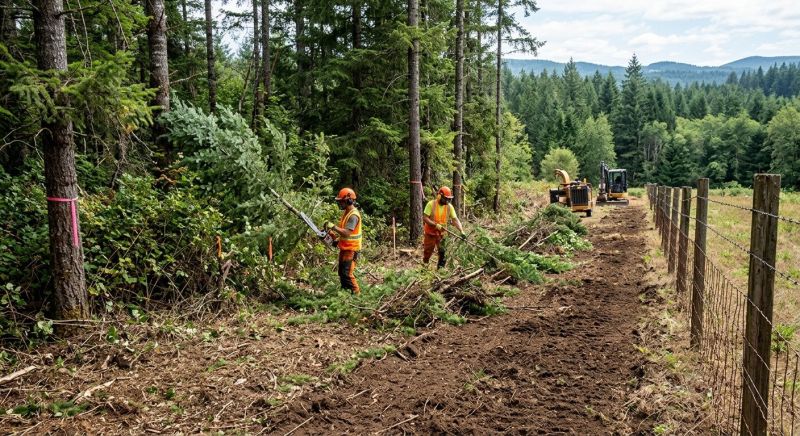
Slope clearing involves removing trees, brush, and debris to stabilize hillside properties.
Hillside excavation prepares sloped areas for construction or landscaping projects.
Erosion control services help prevent soil loss on steep or unstable terrain.
Drainage solutions improve water runoff management on sloped land.
Terracing and retaining walls create level areas and reduce slope instability.
Site assessment evaluates slope stability and recommends appropriate clearing strategies.
Slope Clearing Questions
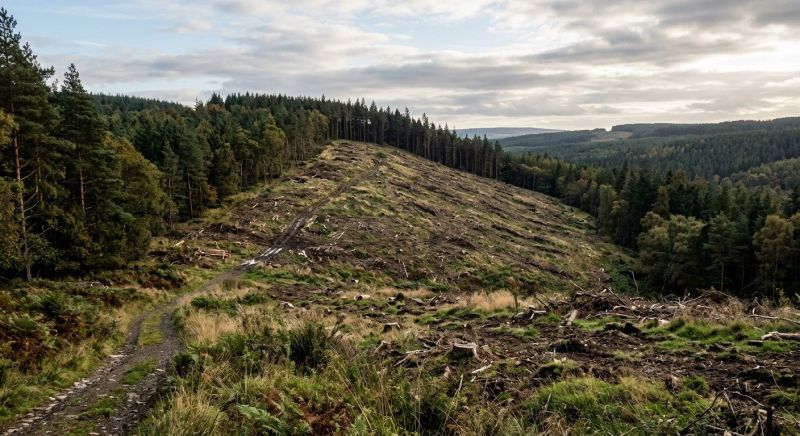
What is slope clearing? Slope clearing involves removing trees, brush, and debris from hillside areas to improve stability and accessibility.
When is slope clearing needed? It is typically required before construction, landscaping, or to reduce erosion risks on sloped land.
What should property owners consider? Proper planning ensures slope stability and prevents future erosion or landslides after clearing.
How does slope clearing benefit a property? Clearing can enhance safety, improve drainage, and create more usable outdoor space on hilly terrain.
Request Slope Clearing in Salt Lake City, UT
Use the quote form on this page to share the basics of your project and request more information for the type of work you need.